
Science of Nasal Breathing: How Nitric Oxide Powers Your Lungs
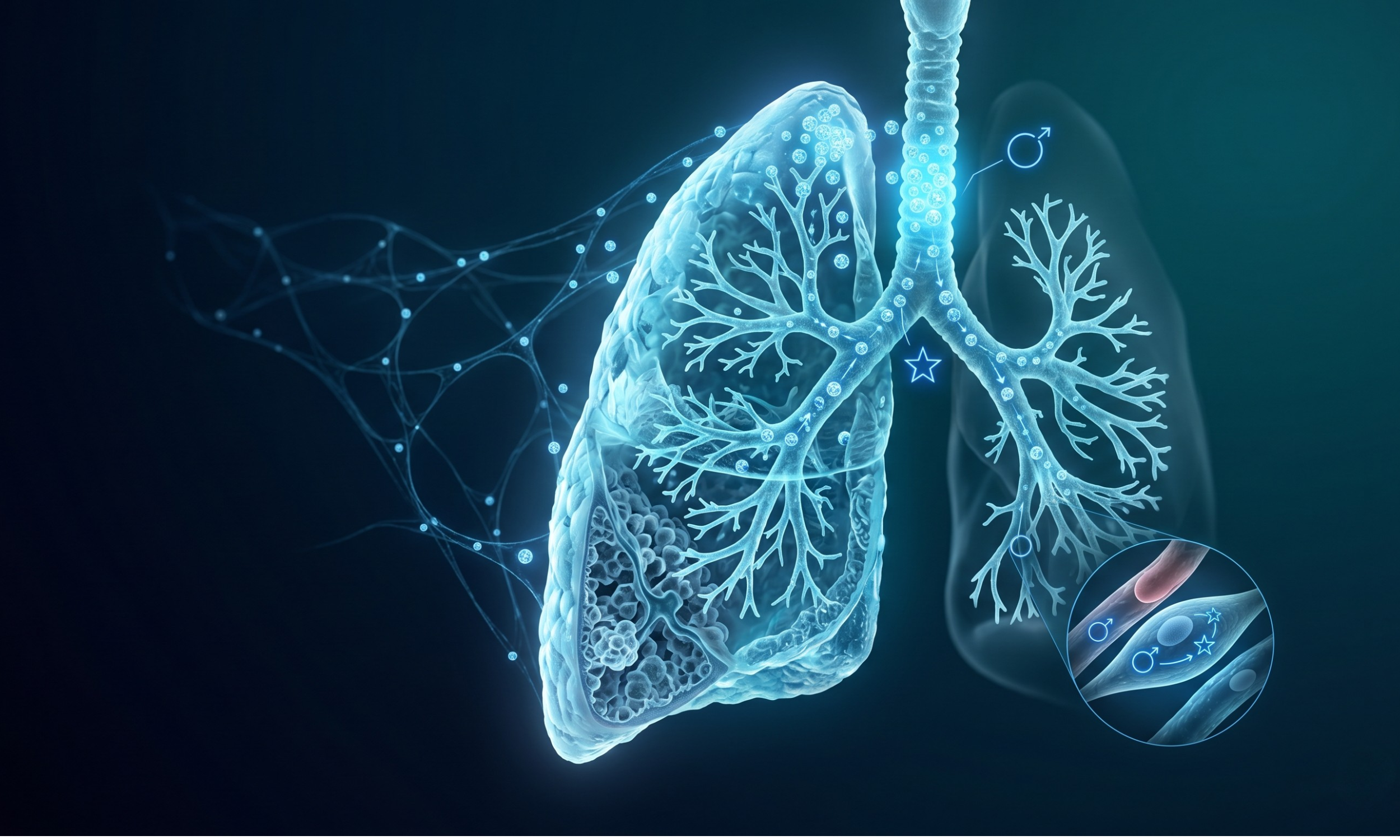
Bridging the Airway: Nitric oxide acts as an invisible messenger, linking a healthy, unobstructed sinus cavity directly to cardiopulmonary efficiency.
Dubuque, IA, April 29, 2026
Nitric oxide (NO) in the upper airway is produced in a highly distinctive way, with the highest concentrations arising directly from the paranasal sinuses. The sinus epithelium expresses “inducible like” nitric oxide synthase (iNOS), along with other nitric oxide synthase isoforms. These enzymes convert L arginine into nitric oxide through an oxygen dependent enzymatic reaction.
This robust production is entirely host driven, meaning it relies on your body's natural mechanisms rather than oral or nasal bacteria. As air passes through the nose during nasal breathing, nitric oxide from the sinuses mixes with the inspired air and travels down into the lower respiratory tract. Because it is delivered through airflow rather than the bloodstream, scientists describe nitric oxide as an aerocrine signal, a messenger riding on the air you breathe.
From the Sinuses to the Lungs: Improving Oxygen Delivery
Once nitric oxide reaches the lungs, it diffuses across the alveolar surface and enters the surrounding pulmonary circulation. There, it activates soluble guanylate cyclase in the vascular smooth muscle cells, converting GTP into cyclic guanosine monophosphate (cGMP).
Why does this matter? This increase in cGMP leads to smooth muscle relaxation and selective vasodilation in the well ventilated areas of the lung. The result is an improved matching of ventilation to perfusion, which ultimately enhances oxygen uptake into the bloodstream, all without requiring the mechanical recruitment of additional lung regions.
Key Takeaways
- Nitric oxide is uniquely generated in the paranasal sinuses and functions as an "aerocrine signal," traveling with inhaled air directly into the lungs.
- Within the lungs, nitric oxide promotes selective vasodilation, naturally optimizing oxygen uptake into the bloodstream without extra mechanical effort.
- Maintaining an unobstructed and clean nasal environment is essential for maximizing nitric oxide production, respiratory efficiency, and cardiopulmonary health.
Author: Dr. Richard Downs
Airway Defense and the Importance of Nasal Hygiene
Beyond oxygen delivery, nitric oxide plays a vital protective role at the airway surface. It supports ciliary function, contributes to mucociliary clearance (the sweeping away of debris), and exhibits natural antimicrobial activity against inhaled pathogens. In this way, nitric oxide acts as both a local defense molecule and a physiologic regulator of airflow and blood flow.
However, for this delicate system to function at its peak, the nasal passages and sinuses must remain clean, moisturized, and unobstructed. This is where a proactive daily hygiene routine becomes essential. Supporting your upper airway with targeted solutions from Nefense can help maintain the ideal environment for your body’s natural respiratory processes.
Using a pure HOCl nasal spray is an excellent way to gently cleanse the nasal passages, wash away daily irritants, and support a balanced nasal microbiome without the use of harsh chemicals or steroids. Pairing this with a xylitol nasal spray helps to deeply moisturize the mucosal lining while naturally preventing unwanted bacteria and allergens from adhering to the tissue. By keeping the sinuses clear and healthy, you ensure that natural nitric oxide production and optimal airflow can continue uninterrupted.
"Nitric oxide acts as both a local defense molecule and a physiologic regulator, linking upper airway health directly to total body oxygenation."
The Cardiopulmonary Connection
In summary, nitric oxide in the nasal and sinus system is produced enzymatically by iNOS, carried into the lungs with each breath, and then exerts its effects through the nitric oxide to cGMP signaling pathway. This dual role is crucial: it acts as an aerocrine signal as it moves through the airway, and then as a paracrine signal after diffusing into surrounding tissues.
This sequence highlights exactly why nasal breathing, supported by proper nasal hygiene, is so vital. It directly links upper airway physiology to oxygen delivery, respiratory efficiency, and overall cardiopulmonary function.
References
- Lundberg JO, Weitzberg E. Nasal nitric oxide in man. Thorax. 1999.
- Lundberg JO et al. High nitric oxide production in human paranasal sinuses. Nature Medicine. 1995.
- Weitzberg E, Lundberg JO. Humming greatly increases nasal nitric oxide. American Journal of Respiratory and Critical Care Medicine. 2002.
- Moncada S, Higgs A. The L arginine nitric oxide pathway. New England Journal of Medicine. 1993.
- Frostell C et al. Inhaled nitric oxide as a selective pulmonary vasodilator. New England Journal of Medicine. 1991.
- Ricciardolo FLM. Multiple roles of nitric oxide in the airways. Thorax. 2003.
